Compare Local Contractors for Outdoor Lighting Installation Success
Compare local contractors to define your project scope, verify experience, and set clear expectations for outdoor lighting installation.
Outdoor lighting installation typically involves designing and setting up exterior illumination to enhance the safety, security, and aesthetic appeal of a property. This work can include installing pathway lights, landscape accent lights, security floodlights, and decorative fixtures. Contractors often handle tasks such as wiring, fixture placement, and ensuring the system functions properly across different outdoor environments. Proper installation not only improves nighttime visibility but can also highlight architectural features and landscaping elements, making outdoor spaces more inviting and functional after dark.
Clearly defining the scope of outdoor lighting work is essential for property owners to ensure the project meets expectations. A well-outlined scope specifies the types of fixtures, the areas to be illuminated, and any special features or design preferences. It also helps in establishing the extent of electrical work needed, whether it involves new wiring or modifications to existing systems. Having a written scope can prevent misunderstandings, facilitate accurate comparisons among service providers, and serve as a reference point throughout the project to ensure all parties are aligned on the work to be performed.
When comparing local contractors for outdoor lighting installation, property owners should consider experience, expertise, and the range of services offered. Verifying how long a contractor has been working in the area and reviewing their portfolio can provide insight into their familiarity with local conditions and standards. It’s also helpful to request detailed descriptions of the services included, along with references or examples of previous work. By evaluating these factors and ensuring that scope and expectations are clearly documented, property owners can make informed decisions and select service providers capable of delivering quality outdoor lighting solutions tailored to their property’s needs.
Compare local contractors by outlining your priorities, verifying experience, and clearly defining project scope in writing.
- Compare Contractor Experience - review the background and expertise of local contractors to ensure they are qualified for outdoor lighting installation.
- Define Project Scope Clearly - outline specific lighting needs and expectations to communicate effectively with service providers.
- Verify Service Provider Credentials - check references and credentials to confirm the reliability and professionalism of local contractors.
- Document Agreements in Writing - establish detailed contracts that specify the scope of work, materials, and responsibilities for all parties.

Clearly describe your outdoor lighting project to help local contractors understand your needs and compare their expertise effectively.
- Verify experience with outdoor lighting installations to ensure familiarity with different fixture types and wiring methods. - Service providers should clearly define the scope of work and outline specific tasks in written agreements.
- Compare credentials and references of local contractors to assess their track record with outdoor lighting projects. - Ensure that the scope of work, materials, and installation details are documented in writing before starting.
- Check that the contractor understands the site layout and lighting goals to provide appropriate design and placement recommendations. - Confirm that the project plan includes details about fixture types, placement, and wiring routes.
- Ensure that the contractor offers a detailed written estimate that specifies materials, labor, and project scope. - Clarify the installation process and any potential limitations or considerations related to the property in the written agreement.
- Assess the contractor’s knowledge of local outdoor lighting codes and best practices to ensure compliance and safety. - Confirm that the scope of work and expectations are clearly outlined in the contract to prevent misunderstandings.
Compare local contractors’ experience and clarify project details to ensure your outdoor lighting meets expectations.
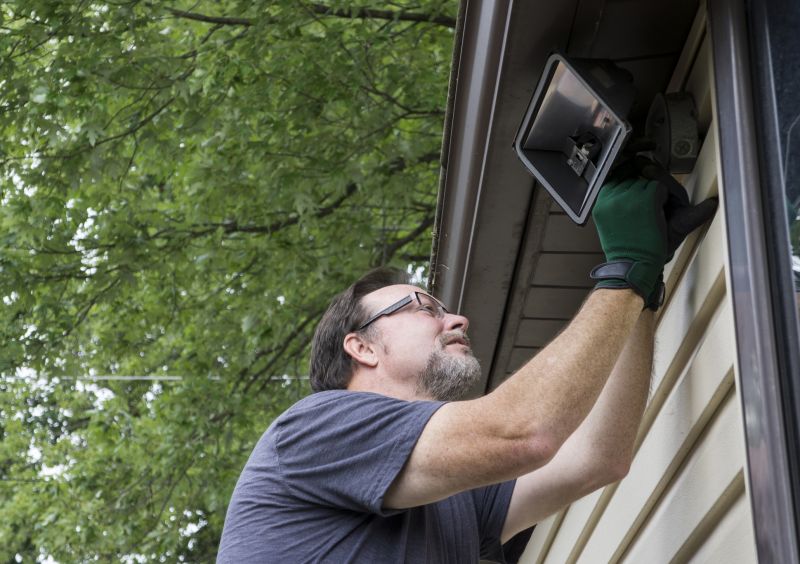

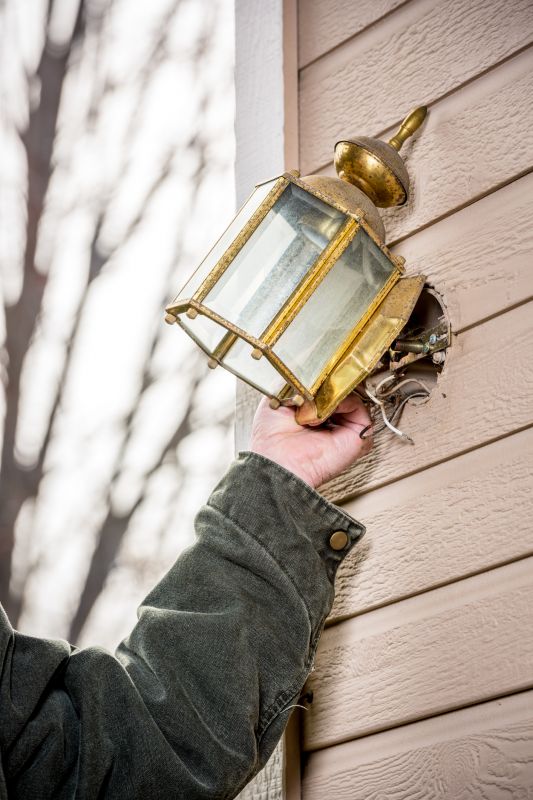

To ensure fair comparisons, clearly define your scope, verify contractor experience, and document expectations in writing.
- Define project scope - Specify the areas to be illuminated and the types of fixtures to be installed.
- Assess experience and expertise - Verify that local contractors have relevant experience with outdoor lighting systems.
- Establish design expectations - Outline the desired lighting effects, brightness levels, and aesthetic considerations.
- Determine technical requirements - Identify power sources, wiring needs, and compatibility with existing electrical systems.
- Document all details in writing - Ensure scope, specifications, and expectations are clearly documented for reference.
When comparing contractors for outdoor lighting installation, it is essential to assess their experience with similar projects. Homeowners should inquire about the types of outdoor lighting systems they have installed in the past and whether they have worked on properties comparable in size and style. A contractor with a proven track record in outdoor lighting can demonstrate familiarity with different fixture types, wiring techniques, and landscape features, which can contribute to a successful outcome. Understanding a contractor’s previous work can help ensure that their expertise aligns with the specific needs of the property.
A clear, written scope of work is a vital part of evaluating potential service providers. Homeowners should seek detailed descriptions of the proposed installation process, including the types of fixtures to be used, the placement plan, and any additional work involved. Having a well-defined scope helps prevent misunderstandings and sets expectations for what the project will entail. It also provides a basis for comparing different contractors’ proposals, ensuring that each offers a comprehensive approach rather than vague or incomplete descriptions.
Verification of a contractor’s basic qualifications involves reviewing their experience and verifying their familiarity with outdoor lighting projects similar to the one at hand. Homeowners can ask for references or examples of completed work, and inquire about the contractor’s approach to planning and execution. Confirming that a contractor has successfully handled comparable projects can provide confidence in their ability to deliver quality results. It is also advisable to verify that the contractor adheres to relevant safety standards and best practices, even if specific licensing or certification is not a requirement.
Evaluating options without focusing on prices involves examining the quality of proposals, the clarity of communication, and the thoroughness of the scope provided. Homeowners should compare how well each contractor understands the project’s needs and whether their approach aligns with personal preferences and property characteristics. It is also helpful to consider the level of detail in their written scope, the experience they demonstrate, and their ability to answer questions clearly. This approach ensures that the selection process emphasizes expertise and fit, leading to a more informed decision when choosing a service provider for outdoor lighting installation.
Ask contractors to provide written scope details to ensure clear understanding and consistent project expectations.
- Experience and Credentials - What relevant experience do local contractors have with outdoor lighting installation projects?
- Scope of Work - How do contractors define and outline the scope of the outdoor lighting installation in their proposals?
- Materials and Equipment - What types of lighting fixtures and equipment do they plan to use, and are these specified in writing?
- Design and Planning - How do local service providers approach the design process to ensure the lighting meets your needs?
- Project Expectations - What details are included in the written scope to clarify the responsibilities and deliverables of each contractor?
How can I compare outdoor lighting installation contractors? Review their experience, scope of work, and customer references, then request detailed written proposals to understand their approach and offerings.
What should I consider when defining the scope of outdoor lighting installation? Clearly outline the areas to be lit, types of fixtures, desired effects, and any special features to ensure contractors understand your expectations.
How can I verify a contractor’s experience with outdoor lighting projects? Ask for examples of previous work, references from past clients, and details about the types of lighting systems they have installed.
Why is it important to have a written agreement with a contractor? A written agreement helps set clear expectations, details the scope of work, and provides a record of what was agreed upon to prevent misunderstandings.
What questions should I ask a contractor before hiring for outdoor lighting? Inquire about their experience, the types of lighting systems they recommend, how they handle wiring and electrical considerations, and their process for project completion.
How can I ensure the contractor understands my outdoor lighting goals? Communicate your desired lighting effects, areas to highlight, and any specific design preferences, and confirm these details are documented in the project scope.
This page has highlighted key steps to help compare contractors for outdoor lighting installation, including defining the scope of work, verifying experience, and putting expectations in writing. Understanding these aspects can support making informed decisions when evaluating service providers. Using the quote form allows for easy comparison of local contractors, helping to identify options that meet specific project needs.
Taking the time to gather information and clarify project details is essential when selecting a contractor for outdoor lighting installation. The quote form provides a convenient way to connect with local service providers who can handle the job, making it easier to explore available options and find the right match for your project.